

When someone searches for a person, brand, or organization on Google, the first thing they see on the right side of the search results is often a structured information box. That box is a Google Knowledge Panel, and it represents one of the most powerful forms of digital credibility available. Getting one is not a matter of filling out a form. It requires building a verifiable, consistent presence across authoritative web sources, with Wikipedia serving as one of the most influential contributors to that process.
A Google Knowledge Panel is a rich SERP feature automatically generated from Google’s Knowledge Graph, a vast database of interconnected entities and facts. It displays essential information about a person, company, organization, or concept, drawing from structured data sources including Wikipedia, Wikidata, Crunchbase, and official websites. Understanding how these two elements, Wikipedia and Knowledge Panels, work together is the foundation of any serious entity SEO strategy.
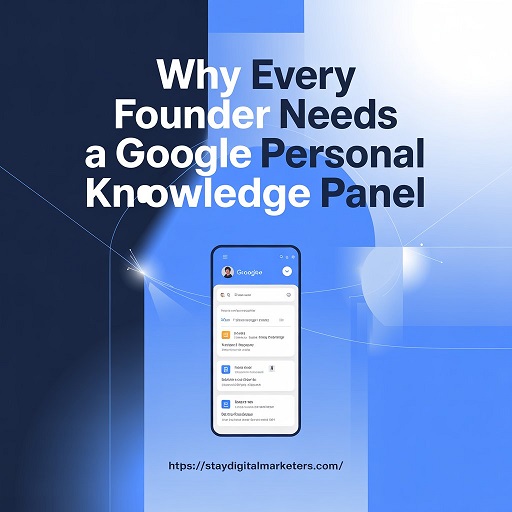
Google Knowledge Panels appear on the right-hand side of search engine results pages when a user queries a recognizable entity. They contain a summary of key facts, images, social profiles, related topics, and links. The panel essentially tells Google’s users: this entity is real, significant, and understood.
The business case for securing a Knowledge Panel is straightforward. Brands with panels occupy premium SERP real estate without paying for it. A study by Advanced Web Ranking found that branded searches with knowledge panels experience significantly higher click-through rates to official websites. Beyond traffic, the panel signals credibility. Prospects, journalists, investors, and potential partners often interpret a Knowledge Panel as third-party validation from Google itself.
Knowledge panels are not the same as Google Business Profiles, which are self-managed listings for local businesses. Knowledge panels are auto-generated based on Google’s own research into the web. That distinction is critical: brands cannot create one from scratch through a dashboard. They must earn it.
Google’s Knowledge Graph pulls facts from multiple structured and semi-structured data sources across the web. The primary sources include:
When Google identifies an entity appearing consistently across multiple of these sources with matching attributes (name, description, founding date, category, etc.), it begins to build a Knowledge Graph entry. Once that entry passes Google’s internal confidence threshold, a Knowledge Panel can appear for relevant searches.
Wikipedia plays a disproportionately large role in this process. Google has explicitly listed Wikipedia as one of its core knowledge sources, and the structured infoboxes within Wikipedia articles map almost directly onto Knowledge Panel data fields. A well-written, well-cited Wikipedia article is one of the fastest signals that can trigger or enhance a Knowledge Panel.
Wikipedia is not just a source Google trusts. It is one of the most efficient pathways for getting Google to recognize an entity as notable. When a Wikipedia article exists for a brand, executive, or organization, it gives Google a structured, community-verified profile to draw from.
Wikidata, the machine-readable sibling of Wikipedia, is even more directly connected to the Knowledge Graph. Each Wikipedia article links to a Wikidata item that stores structured facts: founding year, headquarters, industry, CEO, product categories, and more. When Google maps these structured properties to a Knowledge Panel template, it is largely reading from Wikidata values that were originally sourced from Wikipedia editorial content.

Wikipedia enforces strict notability guidelines. A subject must have received significant coverage in multiple independent, reliable, secondary sources. These are not press releases, brand websites, or paid placements. They include news articles, academic citations, analyst reports, and editorial coverage from established publications.
For a business or individual to qualify, they typically need:
Attempting to create a Wikipedia article without meeting these standards results in deletion. This is why building a media presence and earning organic editorial coverage before creating a Wikipedia page is essential preparation.
Based on how Google processes entity data and how Wikipedia intersects with the Knowledge Graph, the following framework offers a structured approach to building the conditions needed for Knowledge Panel generation. This model can be applied to individuals, brands, or organizations.
Create a dedicated page on your official website that describes the entity clearly and factually. This is often an About page. It should state the entity’s full legal name, founding date, category, key figures, and mission. Avoid marketing language. Write it like an encyclopedia entry. This page becomes the entity’s primary reference point for Google.
Add structured data to the entity home page using Organization, Person, or LocalBusiness schema from Schema.org. Include properties such as name, url, logo, sameAs links to official social profiles, and foundingDate. The sameAs property is especially important: it tells Google that your website, Wikipedia article, LinkedIn profile, and other sources all refer to the same entity.
Once sufficient media coverage exists, create or commission a properly sourced Wikipedia article. Ensure the article cites multiple independent, reliable sources. Include the Wikidata item and fill in as many structured properties as possible. A complete, well-maintained Wikipedia article with a populated Wikidata profile dramatically increases the probability of Knowledge Panel generation.
Google cross-references entity data across sources. If your Wikipedia article says your company was founded in 2015 but your website says 2014, the conflict creates ambiguity. Audit all web references to ensure consistent facts across Wikipedia, Wikidata, Crunchbase, LinkedIn, your website, and any press mentions.
Connect your entity to verified third-party profiles. Establish verified accounts on platforms that Google recognizes as authoritative: YouTube, X (formerly Twitter), LinkedIn, and Facebook. Link these from your entity home page and Wikipedia article using sameAs schema. These cross-references reinforce entity recognition.
Once a Knowledge Panel appears, claim it through Google Search. Navigate to the panel in Google Search results, scroll to the bottom, and select ‘Claim this knowledge panel.’ Verify ownership through a connected Google property such as Search Console or a social media profile. After claiming, you can suggest corrections and submit updated images directly.
Understanding how these two assets compare helps practitioners prioritize their efforts and set accurate expectations.
| Factor | Wikipedia Page | Knowledge Panel | Combined Effect |
| Trust Signal | High (peer-reviewed) | High (Google-endorsed) | Maximum |
| Control Level | Low (editable by anyone) | Moderate (suggest changes) | Moderate |
| Setup Difficulty | Moderate (notability req.) | Cannot apply directly | Strategic effort |
| Visibility | Search + referencing | SERP right-side box | Dual presence |
| Best For | Authors, orgs, brands | Any notable entity | Authority brands |

Many brands invest months into this process without results because of avoidable errors. The most frequent issues observed across brand entity campaigns include:
The entity recognition process is cumulative. Each signal added, whether it is a correctly structured schema tag, a new press mention, or a Wikipedia citation update, builds Google’s confidence incrementally. Patience combined with systematic execution is more effective than shortcuts.
There is no fixed timeline. For highly notable entities with existing Wikipedia articles and strong media coverage, a Knowledge Panel may appear within weeks of schema optimization. For newer brands or individuals, the process can take six to eighteen months of sustained effort across all the steps above.
Google’s Knowledge Graph updates are not real-time. Even after all signals are in place, there can be a lag of several weeks before the panel appears or updates with new information. Requesting a re-crawl of the entity home page via Google Search Console can sometimes accelerate the process.
After a Knowledge Panel appears and has been claimed, several optimization actions are available:
A claimed, actively managed Knowledge Panel is significantly more reliable than an unclaimed one. Claimed panels allow entity representatives to flag and correct misinformation before it gains prominence.
You cannot manually create a Google Knowledge Panel from scratch. Knowledge Panels are generated automatically by Google based on its evaluation of an entity’s credibility, authority, and overall online presence. However, by building the right signals such as a well-structured Wikipedia page, implementing proper schema markup, and maintaining consistent information across trusted platforms, brands and individuals can significantly improve their chances of triggering one.
That said, the process involves multiple technical and editorial steps, and even small mistakes can delay or prevent results. To avoid unnecessary hurdles and ensure everything is done correctly, you can take professional help to get your Knowledge Panel running smoothly and without hassle.
Not automatically. A Wikipedia article increases the probability of a Knowledge Panel appearing, but it is one of many signals Google evaluates. Without supporting schema on the official website and cross-references from other authority sources, a Wikipedia article alone may not be sufficient.
Search for your entity on Google, locate the Knowledge Panel in the results, scroll to the bottom of the panel, and click ‘Claim this knowledge panel.’ You will be asked to verify your identity through a connected Google property such as Search Console, YouTube, or a linked social media account.
After claiming the panel, use the ‘Suggest a change’ or ‘Feedback’ option to flag incorrect facts. Providing source URLs that verify the correct information increases the likelihood that Google will approve the update. Unclaimed panels can still be flagged through the public feedback option.
Not strictly required, but it is one of the most effective enablers. Google’s Knowledge Graph draws heavily from Wikipedia and Wikidata. Entities without a Wikipedia article typically need significantly stronger signals from other structured sources to achieve the same outcome.
Yes. Authors, executives, musicians, athletes, academics, and other public figures commonly have individual Knowledge Panels. The same notability criteria apply: sufficient independent coverage in credible publications combined with a verifiable online presence.
A Google Business Profile is a self-managed listing for businesses serving customers at a physical location or service area. It is created and managed directly in Google’s Business Profile manager. A Knowledge Panel is auto-generated by Google for notable entities of any type and is not directly created by the brand. Both can appear in search results but serve different purposes and are managed through different processes.
The process of building and maintaining the online signals needed for a Knowledge Panel, from Wikipedia page creation to schema implementation and citation management, often involves specialist support. Industry resources such as Stay Digital Marketers offer services aligned with this space, covering Wikipedia page creation, Google Knowledge Panel creation, press release distribution, guest posting, niche edits, and SaaS backlinks. For brands pursuing structured recognition strategies, understanding the range of available services can help teams allocate effort more efficiently.

Filza Taj is an MPhil in Human Resources-turned SEO Specialist, Content Strategist, and Digital Marketing Consultant with over 5 years of experience helping businesses in 30+ countries grow online. As the Founder of Stay Digital Marketers (staydigitalmarketers.com), she delivers results-driven solutions in link building, guest posting, PR distribution, niche edits, multilingual backlinks, and content marketing. She publishes daily SEO insights and actionable strategies to help brands strengthen their online presence, attract the right audience, and convert clicks into loyal customers.
Filza@staydigitalmarketers.com
Stay Digital Marketers
Need SEO, Link Building or Digital Marketing Services?
Request a Free Audit →