

In the world of digital marketing, every brand is fighting for visibility, credibility, and authority. Search engines reward trusted sources, while users rely on platforms they perceive as unbiased and trustworthy. That’s where Wikipedia enters the game. With its domain authority of 98, millions of daily users, and frequent visibility in Google’s top results, Wikipedia can be a game-changer for both SEO and reputation management.
But here’s the catch: using Wikipedia isn’t as straightforward as dropping your link into an article. It requires ethical practices, verifiable sources, and strategic thinking. Done right, it can fuel long-term brand authority, referral traffic, and even get your brand noticed in Google AI Overviews (AEO) and Generative Engine Optimization (GEO) results.
This guide dives deep into how Wikipedia can boost your SEO and reputation—what experts already cover, what they miss, and how you can take advantage of hidden opportunities without crossing ethical lines.
To make this guide actionable, I analyzed several high-ranking articles on this topic:
These sources set a strong foundation, but they have some gaps:
This article fills those gaps.
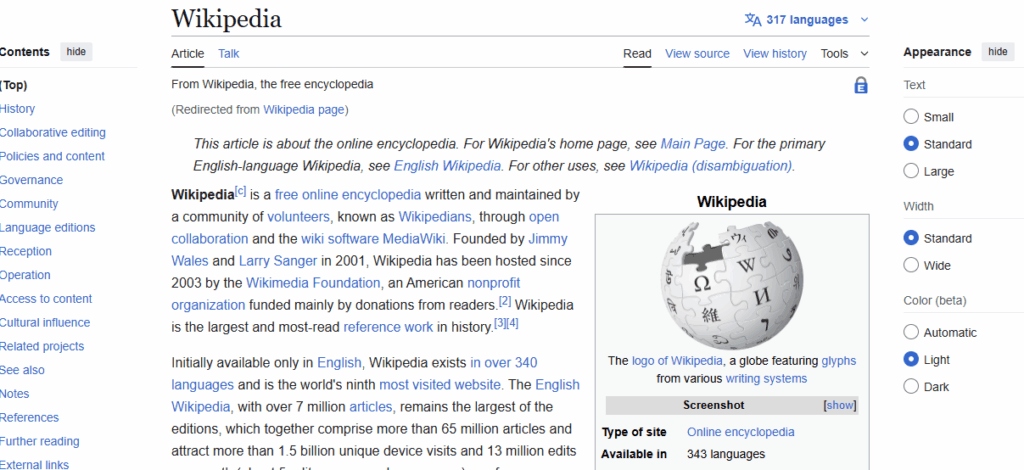
Wikipedia has one of the highest domain authorities in the world. A citation there signals legitimacy. Even though the links are “nofollow,” being referenced tells both Google and users that your brand is credible.
When people browse Wikipedia and click through citations, that’s direct referral traffic. But the real magic happens when journalists and bloggers reuse Wikipedia references in their work, unintentionally linking back to you.
Google’s AI Overviews (and other AI summaries) frequently cite Wikipedia or its sources. If your brand is cited in Wikipedia, your chances of appearing in AI-generated snippets skyrocket.
Wikipedia is a goldmine for semantic keywords, related terms, and clustered topics. Its article headings and category pages mirror the way Google groups topics, making it an excellent research tool for content planning and GEO-targeted campaigns.
If your brand is misunderstood or misrepresented online, Wikipedia (with proper references) gives you a neutral place to clarify facts. Done ethically, this can protect and even rebuild a damaged reputation.
Wikipedia editors are strict. Adding promotional links can get your edits removed—or worse, get you banned. Unethical practices like wikiturfing (fake editing to promote brands) not only backfire but can destroy trust.
site:en.wikipedia.org "citation needed" + [your keyword]
Imagine you’re a Lahore-based entrepreneur who publishes a research paper on AI in Urdu. You notice the Wikipedia page on “Sustainable Technology” has a “citation needed” tag. You add a properly formatted citation linking to your study.
Now, your content is exposed to:
Soon, not only do you get referral traffic, but potential clients find you through indirect mentions—proof that a single ethical edit can ripple into massive visibility.
| Strategy | What You Do | Benefit |
|---|---|---|
| Broken Link Replacement | Add your resource to fix dead citations | Get approved faster + referral traffic |
| “Citation Needed” Fill-Ins | Provide well-researched sources | Credibility + visibility |
| Keyword & Heading Mining | Extract related terms from Wikipedia articles | SEO alignment + GEO relevance |
| Ethical, Neutral Citations | Publish non-promotional research and add references | Long-lasting trust + reduced removal risk |
| Conflict of Interest Disclosure | Add edits transparently | Prevent bans + build community trust |
| AI-Friendly Content Format | Use FAQs, bullets, structured answers | Increases AEO & GEO inclusion |
| Monitoring Mentions | Track citations with alerts and tools | Discover new opportunities for backlinks |
Q1. Do Wikipedia links improve SEO if they’re “nofollow”?
Yes. While they don’t pass PageRank, they build credibility, visibility, referral traffic, and often trigger secondary backlinks.
Q2. How do I get my link approved on Wikipedia?
Provide independent, verifiable, neutral content that genuinely improves the article. Don’t spam. Always format citations correctly.
Q3. Is editing Wikipedia for my brand allowed?
Yes, but with caution. Avoid promotional edits. Disclose conflicts of interest. Use reliable third-party references where possible.
Q4. How does Wikipedia connect with AI Overviews (AEO)?
Google’s AI Overviews often cite Wikipedia sources. If your content is cited there, you may appear in those AI summaries.
Q5. Can Wikipedia help local SEO?
Yes. Wikipedia’s regional and category pages highlight local topics and terms. By aligning your content with these, you can boost GEO-targeted campaigns.
Q6. Can Wikipedia help repair a damaged reputation?
Absolutely. By ensuring your brand’s page or mentions contain neutral, fact-based information, you can counter misinformation and restore trust.
Wikipedia isn’t a quick backlink hack. It’s an ecosystem of credibility, trust, and authority. For brands willing to play the long game, it offers unique advantages: higher visibility in search, better chances at AI Overviews, stronger reputation management, and indirect SEO growth.
Instead of chasing shortcuts, focus on building genuine, verifiable resources that earn their place in the world’s largest encyclopedia. When done right, Wikipedia becomes not just a source of traffic—but a cornerstone of your brand’s digital trust.
If you’re looking to create a Wikipedia page for your brand or organization, you can also get in touch with Stay Digital Marketers. The team provides reliable, ethical, and research-driven Wikipedia services to help you build authority and strengthen your digital reputation.

Stay Digital Marketers
Need SEO, Link Building or Digital Marketing Services?
Request a Free Audit →