
Most brands track backlinks obsessively. They chase domain authority, monitor anchor text distribution, and audit link profiles quarterly. Meanwhile, brand mentions, one of the strongest signals in modern search, go completely unmanaged.
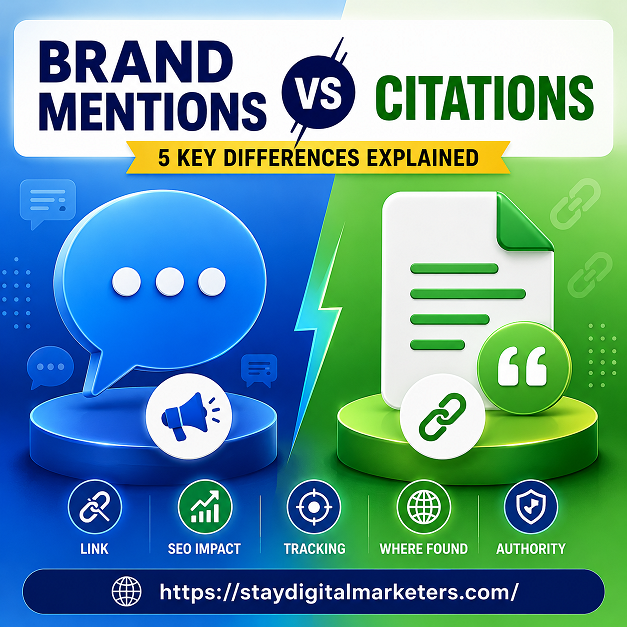
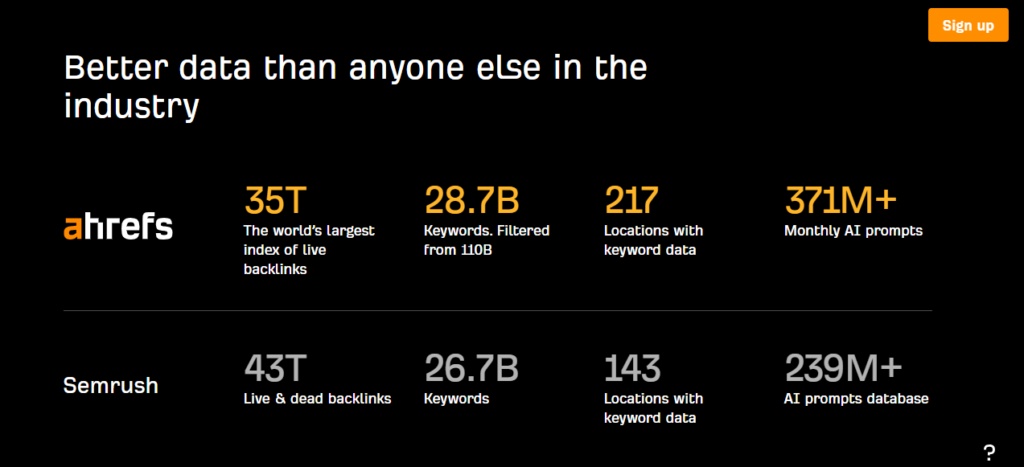
A brand mention is any instance where your business name, product, or key people appear online without a hyperlink. These mentions act as co-citations, topical trust signals, and entity-recognition markers that search engines and AI systems use to understand who you are and whether you matter. Research by Ahrefs across 75,000 brands found that brand mention signals correlated with AI Overview visibility at 0.664, while traditional backlinks scored only 0.218, a striking gap that most SEO strategies still ignore.
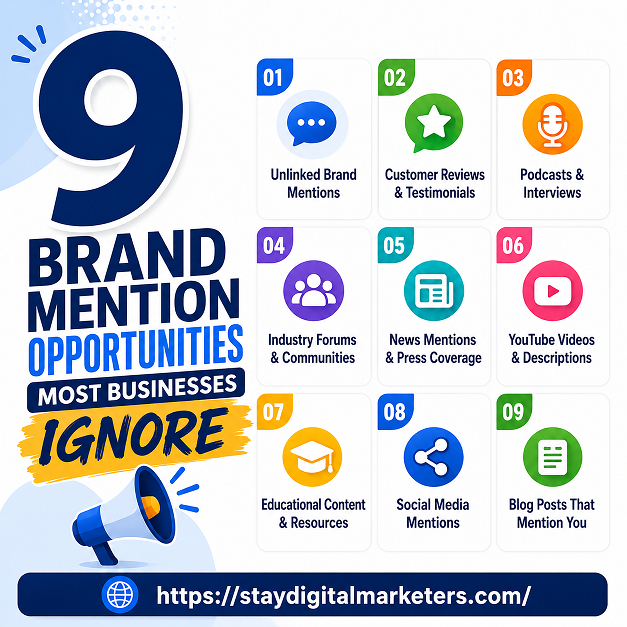
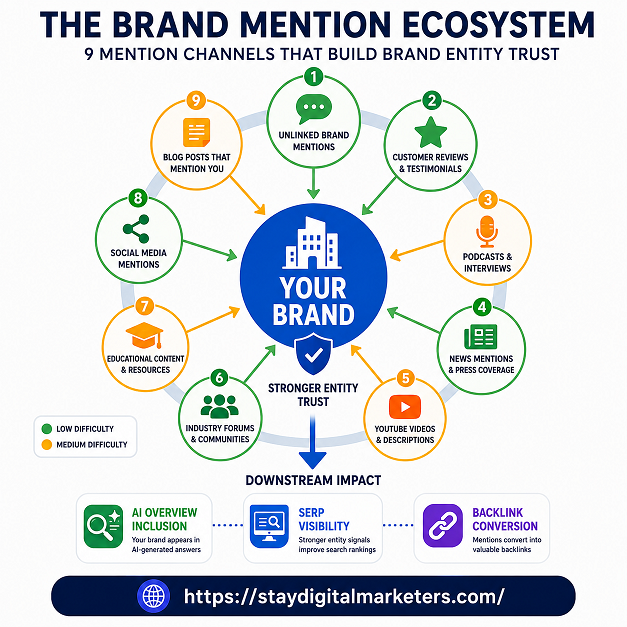
The nine opportunities below are not theoretical. They are specific, overlooked, and actionable channels through which brands consistently fail to build mention equity, and the ones that, once activated, compound over time.
An unlinked brand mention is when a publisher references your brand by name but does not attach a hyperlink to it. These already exist in the wild, in blog posts, news articles, listicles, and comparison guides, and they are generating trust signals right now with zero effort from you.
The missed opportunity is not recognising that these mentions can be converted to backlinks with a simple outreach email. Conversion rates from unlinked mention outreach typically range between 10 and 30 percent. Beyond the link itself, each mention that sits unlinked is still contributing to brand entity recognition by search engines. Monitoring tools like Google Alerts, Ahrefs Content Explorer, and Semrush Brand Monitoring can surface these mentions at scale within minutes of setup.
Podcast episodes generate show notes, transcripts, social clips, and episode summaries, all of which are indexed content. When a brand is mentioned in an episode, the name typically appears in every downstream piece of content associated with that recording.
Most businesses treat podcast outreach as a PR activity rather than a brand mention strategy, and that framing causes them to underinvest in it. A single podcast appearance on a niche industry show can generate four to six pieces of indexable content, each containing a brand mention. When that show has an engaged audience and strong domain authority on its website, the compounding effect on entity trust is significant. Brands that appear consistently across podcast ecosystems in their vertical are far more likely to be cited in AI-generated answers because LLMs draw from these same transcribed and published sources.

Yes, and most brands treat their review profiles as reputation management tools rather than mention channels. Platforms like G2, Trustpilot, Capterra, Yelp, Google Business, and industry-specific review sites publish user-generated content that is indexed and regularly crawled.
Every response a brand posts on a review platform creates a fresh instance of the brand name in a trusted, indexed context. Brands that actively respond to reviews, even negative ones, generate considerably more mentions per month than those that leave reviews unacknowledged. Additionally, review threads that mention a brand alongside competitor names create co-citation patterns that reinforce topical positioning. The opportunity is to treat review activity as an active mention strategy, not a passive reputation task.
They do, and they have become significantly more valuable following Google’s increased indexation of Reddit content from 2023 onwards. Forum discussions, Quora threads, niche community boards, and subreddit conversations are now frequently appearing in standard search results and in AI Overview citations.
The overlooked angle is that brands can participate authentically in these conversations without overt promotion. A thoughtful, expert response in a relevant Reddit thread or industry forum creates a brand mention in a context that signals genuine topical authority. When a brand name appears repeatedly across forum discussions alongside relevant keywords, it builds co-occurrence patterns that both traditional search engines and LLMs use to reinforce entity associations. Many brands avoid forums because the ROI feels unclear, but the entity-recognition value alone makes consistent forum presence worth the investment.
A co-mention, sometimes called a co-citation, occurs when two entities appear together within the same content piece. Search engines use co-mention patterns to infer relationships between brands, assess topical relevance, and assign associative authority.
Most businesses have existing relationships with partners, resellers, integrations, and suppliers, and very few of them actively coordinate to mention each other in published content. A joint case study, a shared announcement, a partner spotlight blog post, or even a tool integration page that names both companies creates a co-mention that benefits both parties. The cost is minimal. The signal value, particularly for smaller brands trying to build authority by association with more established names in their space, is disproportionately high.
When a brand representative is quoted in a published article, the mention typically includes their name, title, and company, three separate entity signals in a single attributed quote. Journalists and content teams are constantly looking for credible expert voices to cite, and platforms like HARO (Help a Reporter Out), Qwoted, and ResponseSource connect brands to these requests daily.
The problem is that most brands have no one actively monitoring and responding to journalist queries. A single team member dedicating two to three hours per week to expert quote outreach can generate ten to twenty high-quality brand mentions per month in relevant publications. These mentions carry additional weight because they appear in editorial contexts alongside a named expert, which increases the perceived authority of the mention in both human and AI reading systems.
Yes, and they are among the most underutilised mention sources for B2B and service-based businesses. Industry awards publish shortlists, nominees, and winner announcements, all of which are indexed pages that mention participating brands by name. Business directories, industry association membership pages, and accreditation listings operate similarly.
The signal value here extends beyond the mention itself. When a brand appears consistently across a category of award sites and directory listings within a specific industry vertical, the co-occurrence of those brand mentions alongside category-defining keywords reinforces topical positioning. Many award programmes also generate press releases and social announcements that create additional mention instances across multiple domains. The effort required to submit an award application is typically low relative to the mention yield.

Comparison content, articles titled ‘Top Alternatives to X’ or ‘X vs Y: Which Is Better’, are among the highest-traffic content formats in most software, SaaS, and service categories. When a brand appears as an option in these comparisons, it receives a mention in a high-intent search context alongside relevant category keywords.
Most brands passively wait to be included in comparison content. The proactive approach is to identify comparison articles where a brand should logically appear but does not, then reach out to the publisher with a brief pitch explaining why inclusion would improve their article’s completeness. Many publishers welcome this because it improves their content without requiring additional research. Being present in competitor comparison content is also one of the strongest signals for AI Overviews, which regularly cite comparison sources when answering product or service recommendation queries.
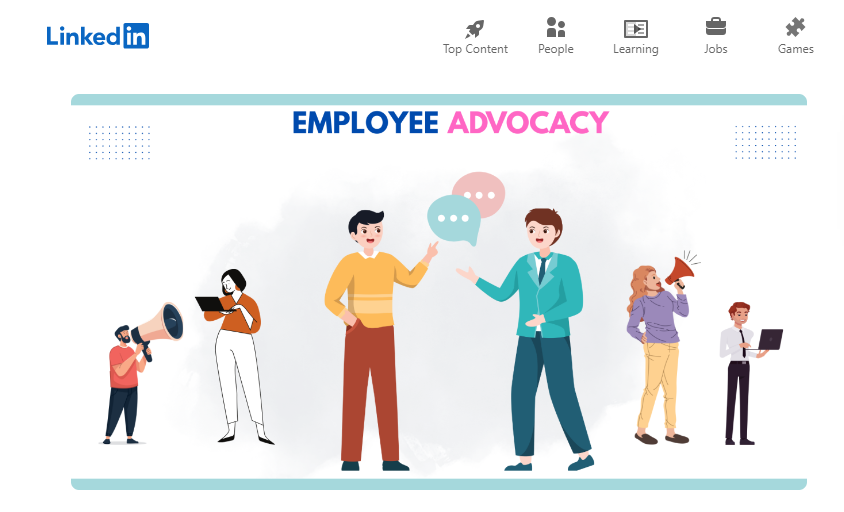
When employees publish professional content, LinkedIn articles, conference presentations, podcast guest appearances, or industry blog posts, they routinely mention their employer. These mentions are often indexed, they appear on professional platforms with high domain trust, and they signal that the brand is staffed by active, visible practitioners in the field.
This opportunity is ignored because brands rarely provide employees with any structured encouragement or framework for producing public content. A simple internal programme, guidelines, content prompts, and basic training on how to publish professionally, can turn a team of ten into a consistent mention-generation engine. Each piece of employee-published content represents a low-cost, authentic brand mention that compounds over time as those individuals build their own professional audiences.
Rather than pursuing mention opportunities reactively, the TRACE framework gives teams a repeatable process for building brand mention equity across all nine channels:
| Opportunity | Difficulty | SEO Impact | Speed to Result |
| Unlinked Brand Mentions | Low | High | Weeks |
| Podcast Appearances | Medium | High | Months |
| Review Platform Responses | Low | Medium | Days |
| Forum & Reddit Threads | Low | Medium | Days |
| Partner Co-mentions | Low | High | Weeks |
| Interview Content | Medium | High | Months |
| Award Submissions | Medium | High | Months |
| Competitor Comparisons | Medium | Very High | Weeks |
| Employee Advocacy Content | Low | Medium | Ongoing |
| Question | Answer |
| Do unlinked mentions help SEO? | Yes. Google treats co-citations and brand signals as ranking factors even without a hyperlink present. |
| How do I find unlinked brand mentions? | Use tools like Google Alerts, Ahrefs Content Explorer, Semrush Brand Monitoring, or Mention.com to track where your name appears without a link. |
| How many brand mentions do I need? | Quality matters more than volume. A single mention on a high-authority site can outweigh dozens from low-quality sources. |
| Are social media mentions counted by Google? | Social mentions are treated as brand signals. While Google officially denies using social shares as ranking factors, brand mention patterns across social platforms contribute to entity recognition. |
| What is a co-citation in SEO? | A co-citation occurs when two brands are mentioned together in the same piece of content. This signals topical authority and associative relevance to search engines. |
| Can I convert unlinked mentions to backlinks? | Yes. Contact the publisher, thank them for the mention, and make a simple, polite request to add a link. Conversion rates range from 10 to 30 percent depending on outreach quality. |
| How do brand mentions affect AI search results? | LLMs and AI Overviews rely heavily on mention frequency and context across trusted sources. Brands cited across multiple authoritative domains are far more likely to appear in AI-generated summaries. |
For brands that want structured support executing mention-building alongside traditional link acquisition, Stay Digital Marketers is a UK-based digital marketing agency that works across the full spectrum of off-page authority building. Their service offering spans guest posting, press release distribution, SaaS backlinks, niche edits, Wikipedia page creation, and Google Knowledge Panel creation, areas that intersect naturally with a brand mention strategy at scale.

Filza Taj is an MPhil in Human Resources-turned SEO Specialist, Content Strategist, and Digital Marketing Consultant with over 5 years of experience helping businesses in 30+ countries grow online. As the Founder of Stay Digital Marketers (staydigitalmarketers.com), she delivers results-driven solutions in link building, guest posting, PR distribution, niche edits, multilingual backlinks, and content marketing. She publishes daily SEO insights and actionable strategies to help brands strengthen their online presence, attract the right audience, and convert clicks into loyal customers.
Filza@staydigitalmarketers.com
Stay Digital Marketers
Need SEO, Link Building or Digital Marketing Services?
Request a Free Audit →